Truth is
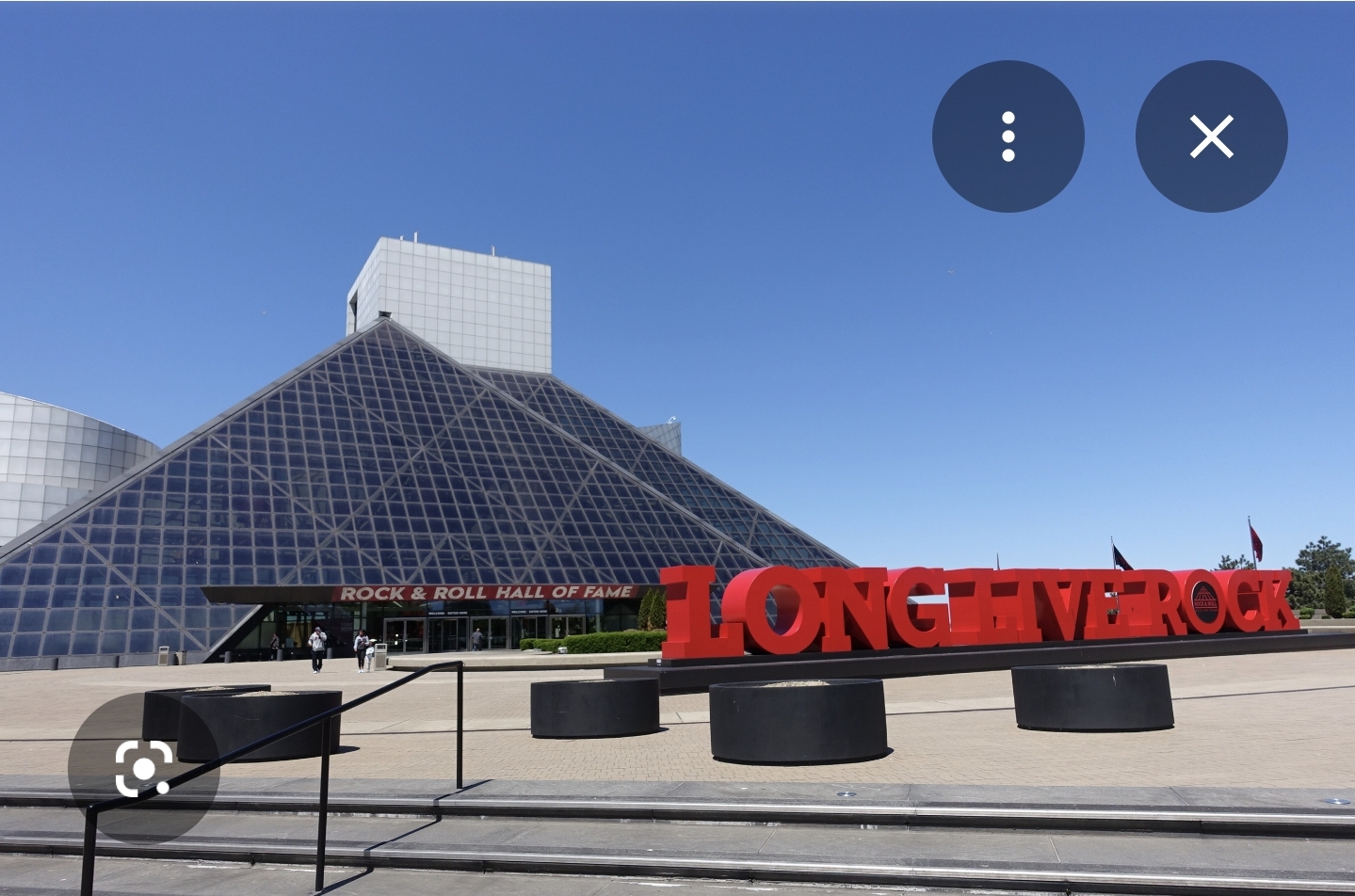 I assume that you already know all of this, but here it is again. The nominating process is completely arbitrary and at the whims of the nominating panel. But if the Ohio Players, Slave, Zapp, Lakeside, Heatwave, SUN, or even Van Hunt, ever get nominated, then we can run up the numbers by
 getting a bunch of ninjas to act as a massive voting block. But even then, the panel can pick from the bottom if they so desire.
The Rock and Roll Hall of Fame Foundation was established 43 years ago on April 20, 1983, with the first induction ceremony held in 1986.
As of the 2025 class, there have been 391 inductees across all categories,
Public voting is open to everyone via the official Rock Hall website, where you can cast one ballot daily until
April 3.
vote.rockhall.comhttp://vote.rockhall.com
You can select up to seven nominees per day until the poll closes on April 3. 2026
The Nominating Committee is an evolving group of about 30 to 40 music industry experts who meet every January to “fight it out” over the annual ballot.
The committee evaluates originality, influence, and the length/depth of an artist’s career.
They look specifically at how an artist’s music impacted the development of rock and roll and influenced subsequent generations of musicians. It isn’t just about record sales or chart positions; they prioritize “innovation” and “superiority in technique” when debating the final nominees.
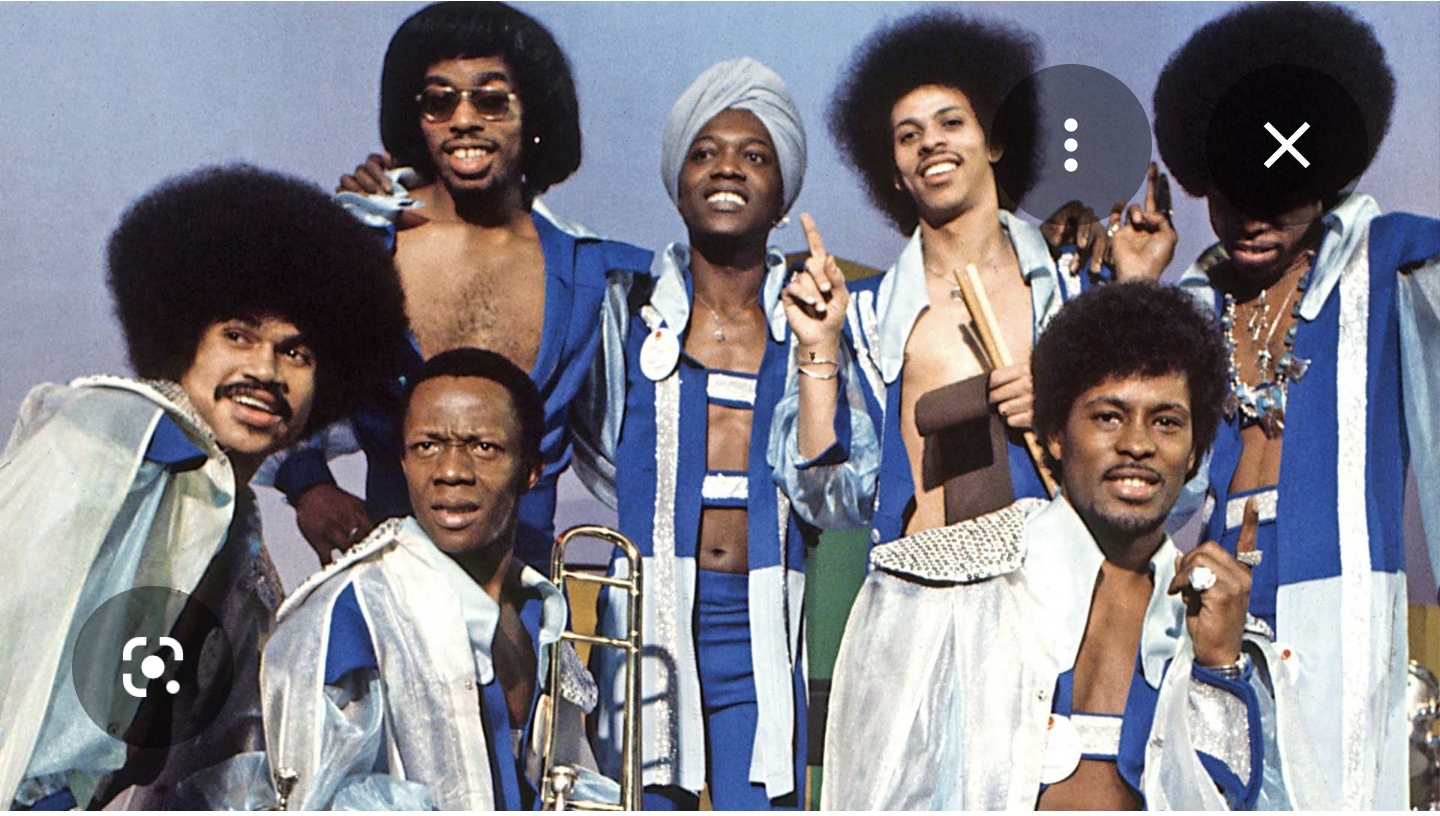 Despite their massive influence on funk and R&B, the Ohio Players have never been nominated for the Rock and Roll Hall of Fame.
While they were inducted into the inaugural class of the Rhythm and Blues Music Hall of Fame in 2013, they remain one of the most frequently cited “snubs” by fans and critics of the Rock Hall. That may be the problem. The more they hear us whining about it, the more they are determined to dig in their heels.
Left up to me, only self conained groups would even be considered. Rappers and singing groups might not be invited.
Sa Da Tay
Is it Real or is It Memorex
VERSION 1: Hand written
Hmmm.
Should material created, assisted or enhanced by A.I. (Artificial Intelligence), be denied human copyright protection?
Remember the old commercial tag line, “is it real or is it Memorex?”
Let’s explore where we end, and tech begins. 40 years ago we sat down in front of a DMX sequencing device and made a song happen. It was titled “Nasty Man”, in response to the Vanity 6 record, Nasty Girl. Prince got away with filing an injunction against us, claiming that we were infringing on his copyright. We didn’t even sample his song, which by today’s standards would be legal, as long as we declared his participation on the split sheet and “shared” the copyright/royalty check.
Well, who really stole what from who?
I submit that when Prince sat down in front of a synth(etic) keyboard and started twisting knobs, so as to tweak and affect the attack, filters, delay, LFOs, modulation, and the rate of decay, in order to create his unique sounds, he was in fact stealing from the folks that sampled the real world sounds and digitally made the tones available to be tweaked.
Who would deny Kendrick Lamar’s version of Marvin Gaye’s words and music to the classic song“ If this world were mine”. (The kids will have to Google what I just said, because they thought it was a Luther song)
Now, back to my synthesizer reference. The use of those digital versions of analog sounds are nothing but early, if not ancient versions of A.I.
I sometimes sit down in front of my synthesizers and write a song, or sit in front of the computer and write articles for Inglewood Today print media, various blogs, or online social media. I have access to royalty free photos, images and yes – even music or I can prompt one of my duplicitous APPs to design, create or spit out images, lip-synced video or whatever suits my fancy, for whatever I’m trying to illustrate, portray or pedal in the public market square.
Sometimes, (like this one), it’s all me, but in a pinch I can use some A.I. It does some of the research for me, checks my spelling and adds the names of government officials, when I draw a blank. A.I. will even find suitable images, if I prompt it to do so.
All in all – this is just a misunderstanding. Using A.I. is scary, to some because the boundaries and legalities are yet to be defined, but soon – and sooner than you think, it will supplement us and be an acceptable advocate, companion or assistant, just as is that back up camera on your car.
#####
VERSION 2 AI enhanced
A.I., Creativity, and the Fight for Copyright Control
The question of whether works created, assisted, or enhanced by artificial intelligence (A.I.) should be eligible for human copyright protection isn’t just a legal curiosity—it’s a coming storm. The courts, lawmakers, and artists are all on a collision course with technology that refuses to slow down.
I’ve seen this type of battle before. Forty years ago, I sat in front of a DMX sequencing device and made Nasty Man—my musical answer to Vanity 6’s Nasty Girl. Then came the cease-and-desist from Prince. He claimed copyright infringement, even though we hadn’t sampled a single second of his track. Back then, the legal system favored the powerful. Today, with looser rules around sampling (provided proper credit and splits are given), my case might have ended very differently.
But let’s be real—Prince’s “pure” sounds weren’t born out of thin air either. When he twisted knobs on a synthesizer, adjusting filters, delays, and modulation, he was working with digital recreations of real-world sounds that someone else had recorded, processed, and packaged. That’s not theft—it’s art—but it’s also a reminder that technology-assisted creation has been part of music for decades. The early synthesizer was an ancestor of A.I.
The truth is, human creativity has always relied on tools. Whether it’s Kendrick Lamar reinterpreting Marvin Gaye’s If This World Were Mine (and watching younger fans credit Luther Vandross instead), or a photographer using Photoshop to refine an image, art is rarely “pure” in the untouched sense.
I use tools, too. Sometimes I write my own material entirely by hand. Other times, I lean on A.I. to speed up research, fix grammar, retrieve the name of an official I momentarily forget, or find the perfect royalty-free image. Just like a camera stabilizer doesn’t make someone less of a photographer, A.I. doesn’t erase the human mind behind the work—it just changes the workflow.
Still, the legal system hasn’t caught up. Right now, there’s a dangerous gap where A.I.-assisted creators could be denied the same protections as their non-A.I. peers. That’s not just unfair—it’s a recipe for exploitation. Large corporations are already building vast A.I. models from the creative output of others, without compensation. If independent creators can’t protect their own A.I.-assisted works, the playing field will tilt even further toward the tech giants.
The fear some have about A.I. replacing artists is misplaced. The real threat is in who gets to own the results. If we fail to define authorship in the A.I. age, we risk repeating history—where the tools benefit the powerful, and the creators get left behind.
The choice isn’t between human or machine—it’s about ensuring both work in partnership, with credit and compensation flowing where it’s due. Because in the end, art—whether played on a guitar, generated from a prompt, or sequenced on a vintage DMX—still comes down to the human hand guiding the process.
#######
VERSION 3: AI magazine style
A.I., Creativity, and the Fight for Copyright Control
The question of whether works created, assisted, or enhanced by artificial intelligence (A.I.) should be eligible for human copyright protection isn’t just a legal curiosity—it’s a coming storm. The courts, lawmakers, and artists are all on a collision course with technology that refuses to slow down.
I’ve seen this type of battle before. Forty years ago, I sat in front of a DMX sequencing device and made Nasty Man—my musical answer to Vanity 6’s Nasty Girl. Then came the cease-and-desist from Prince. He claimed copyright infringement, even though we hadn’t sampled a single second of his track. Back then, the legal system favored the powerful. Today, with looser rules around sampling (provided proper credit and splits are given), my case might have ended very differently.
But let’s be real—Prince’s “pure” sounds weren’t born out of thin air either. When he twisted knobs on a synthesizer, adjusting filters, delays, and modulation, he was working with digital recreations of real-world sounds that someone else had recorded, processed, and packaged. That’s not theft—it’s art—but it’s also a reminder that technology-assisted creation has been part of music for decades. The early synthesizer was an ancestor of A.I.
The truth is, human creativity has always relied on tools. Whether it’s Kendrick Lamar reinterpreting Marvin Gaye’s If This World Were Mine (and watching younger fans credit Luther Vandross instead), or a photographer using Photoshop to refine an image, art is rarely “pure” in the untouched sense.
I use tools, too. Sometimes I write my own material entirely by hand. Other times, I lean on A.I. to speed up research, fix grammar, retrieve the name of an official I momentarily forget, or find the perfect royalty-free image. Just like a camera stabilizer doesn’t make someone less of a photographer, A.I. doesn’t erase the human mind behind the work—it just changes the workflow.
Still, the legal system hasn’t caught up. Right now, there’s a dangerous gap where A.I.-assisted creators could be denied the same protections as their non-A.I. peers. That’s not just unfair—it’s a recipe for exploitation. Large corporations are already building vast A.I. models from the creative output of others, without compensation. If independent creators can’t protect their own A.I.-assisted works, the playing field will tilt even further toward the tech giants.
The fear some have about A.I. replacing artists is misplaced. The real threat is in who gets to own the results. If we fail to define authorship in the A.I. age, we risk repeating history—where the tools benefit the powerful, and the creators get left behind.
The choice isn’t between human or machine—it’s about ensuring both work in partnership, with credit and compensation flowing where it’s due. Because in the end, art—whether played on a guitar, generated from a prompt, or sequenced on a vintage DMX—still comes down to the human hand guiding the process.
Dana Meyers RIH
Legendary Songwriter and A&R Executive Dana Meyers Found Deceased in Pasadena Home
PASADENA, Calif. — July 28, 2025
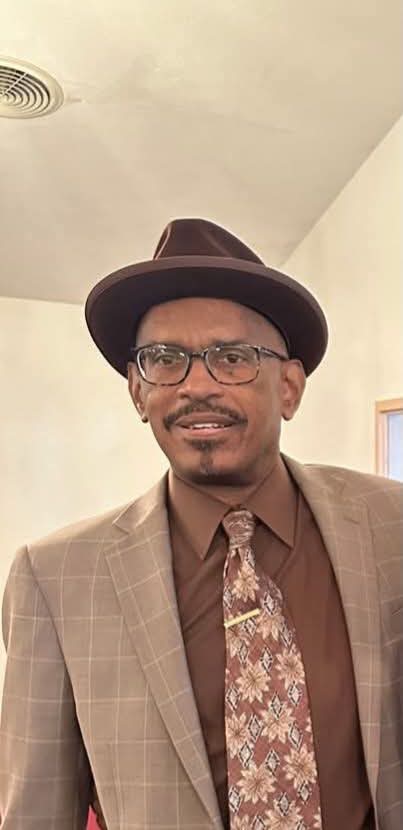 Dana Meyers, a celebrated songwriter, producer, and longtime figure in the soul and R&B music community, was found unresponsive in his Pasadena apartment on Sunday. He was 73.
Meyers, born April 15, 1952, in Dayton, Ohio, rose to prominence during the late 1970s and early 1980s, becoming a key contributor to the “Sound of Los Angeles Records” — better known as SOLAR Records. He played a critical role in crafting the smooth funk and dance-infused soul music that came to define the era, collaborating closely with producer Leon Sylvers III.
According to authorities and local media reports, Meyers had not been seen in public since hosting a well-attended reunion picnic for SOLAR Records and Soul Train alumni the previous weekend. Neighbors and friends expressed concern after several days passed without communication, but the latest update claims that he was in distress and passed during a hospital visit.
 Meyers’ legacy in the music industry is deeply rooted in his work with SOLAR Records’ most iconic acts. He was instrumental in writing and arranging a string of chart-topping singles and album cuts for artists such as The Whispers and Shalamar. His compositions helped define a golden era of Los Angeles soul and R&B, blending tight vocal harmonies with upbeat grooves and synthesized funk elements.
The Whispers, one of the most successful vocal groups under the SOLAR banner, recorded several hits co-written by Meyers. His songwriting contributions helped solidify the group’s commercial success during the early 1980s. Similarly, his work with Shalamar — known for its dance-floor anthems and smooth, stylish aesthetic — played a central role in elevating the group to international stardom.
Beyond his songwriting talents, Meyers was known in the industry as a meticulous arranger and thoughtful mentor. His transition into Artist & Repertoire (A&R) management allowed him to guide younger generations of talent. For the last several years, he served in that role for SOLAR RecordsUK, the label’s revived and rebranded international branch. In this position, he maintained ties to the label’s founding ethos while expanding its reach across the Atlantic.
“He understood what made a song stick — the feeling, the groove, the truth in the lyrics,” said one colleague on social media. “He never stopped believing in the power of soul music.”
Meyers’ last public appearance was the aforementioned reunion picnic, which drew former artists, producers, dancers, and executives who had once been part of the vibrant SOLAR and Soul Train scenes. Attendees shared photos and videos on social media, celebrating a day filled with music, storytelling, and community. Many expressed gratitude for Meyers’ role in organizing the event and described him as being in good spirits, laughing and sharing memories with old friends.
Reactions to the news of his passing have been swift across social media, particularly from within the Black music community, with numerous artists and fans reflecting on his quiet but profound influence. Some noted that his name may not be widely known to the casual listener, but his songs — and the feelings they evoked — have long been part of the cultural fabric.
Meyers began his musical journey in his hometown of Dayton, a city known for producing a rich lineage of funk and soul talent. His career later brought him to Los Angeles, where he found a creative home at SOLAR, whose innovative approach to artist development and sound curation made it one of the most influential independent labels of its time.
In addition to his work behind the scenes, Meyers occasionally recorded and performed as an artist, with several tracks achieving cult status among fans of classic R&B and boogie funk. His layered production style, ear for melody, and commitment to authenticity earned him respect from both his peers and the artists he supported.
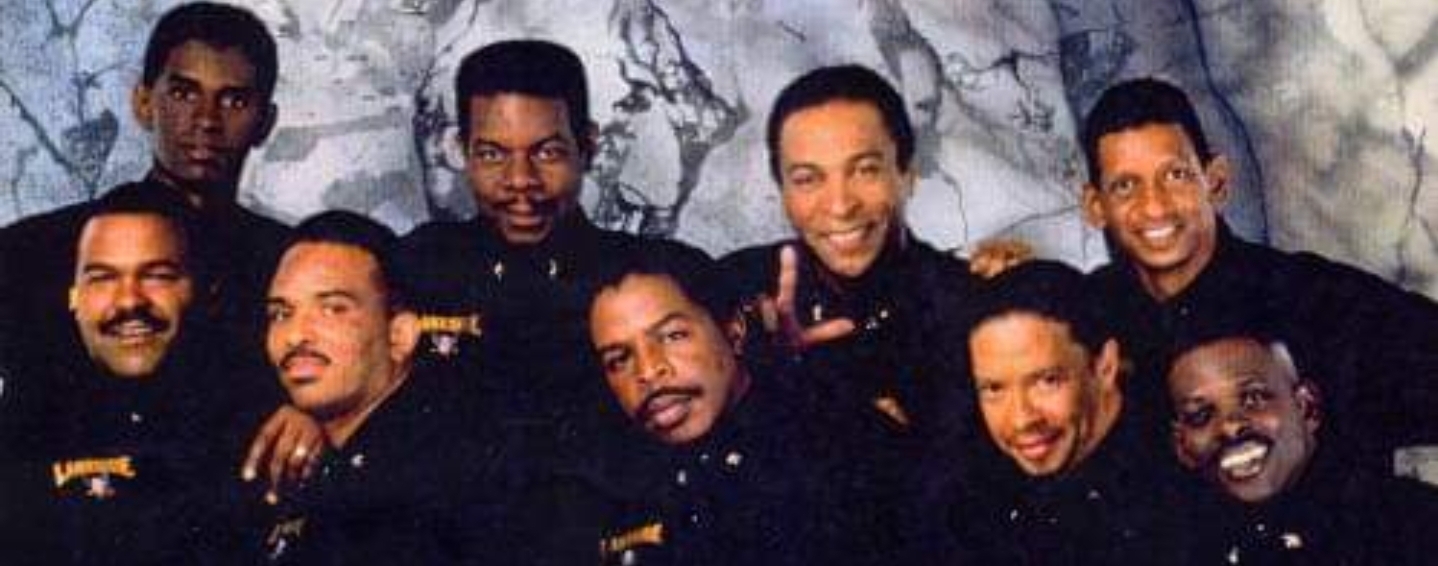
As a fledgling entertainer, back in the late 60s and early 70s, he performed with Dayton singing groups, The Emeralds,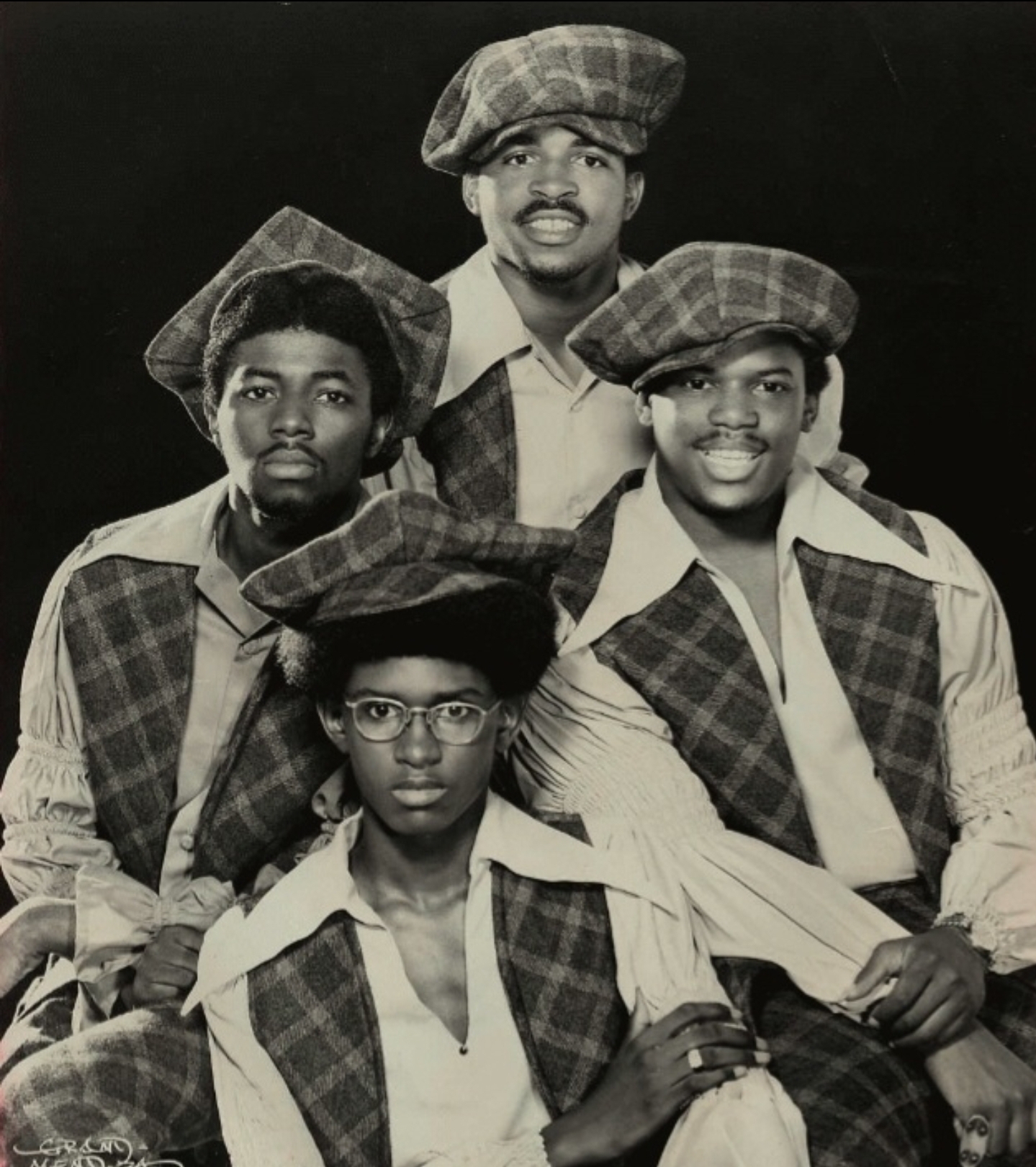 the 4 Corners, the Bad Bunch, Platypus, Lakeside and a bunch of start-up bands. I even had a chance to sing alongside him in a Los Angeles club, where he broke out his signature AXE, the Auto-Harp.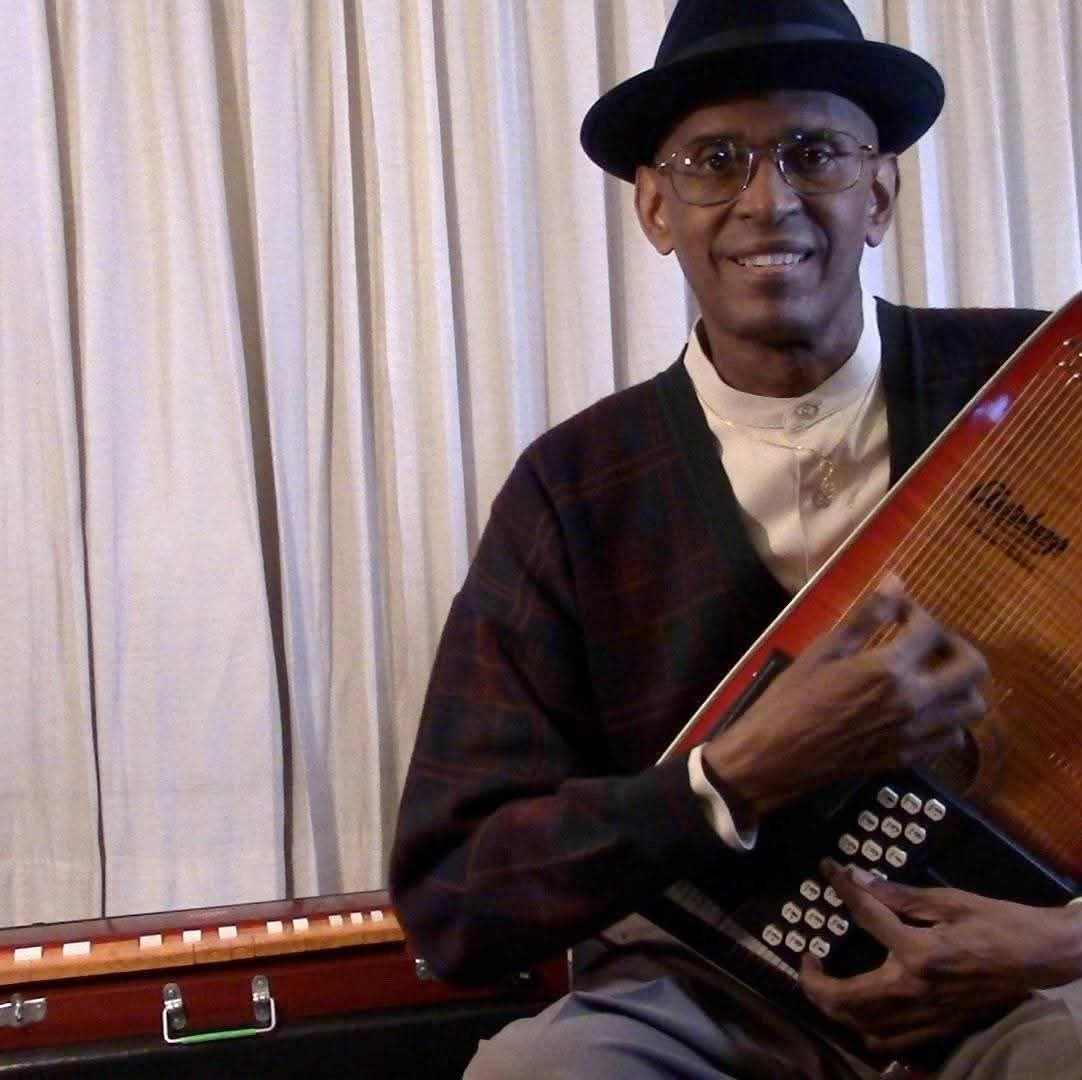
As an A&R manager, Meyers was known for encouraging innovation while preserving musical integrity. Under his guidance, several new projects for SOLAR RecordsUK were in development, reflecting a continued commitment to showcasing talent rooted in tradition but forward-looking in sound.
Dana Meyers leaves behind a daughter, a grandchild and a legacy that spans nearly five decades, marked by a devotion to music that moved people — whether through love ballads, dance tracks, or socially conscious songwriting. In a world of changing trends and fleeting fame, he remained a steady force behind the scenes, crafting moments that mattered.
Funeral and memorial arrangements have not yet been announced. Colleagues, family, and fans are expected to gather in the coming days to honor a man whose songs — and spirit — left an indelible imprint on the sound of a generation.
The Philadelphia Story
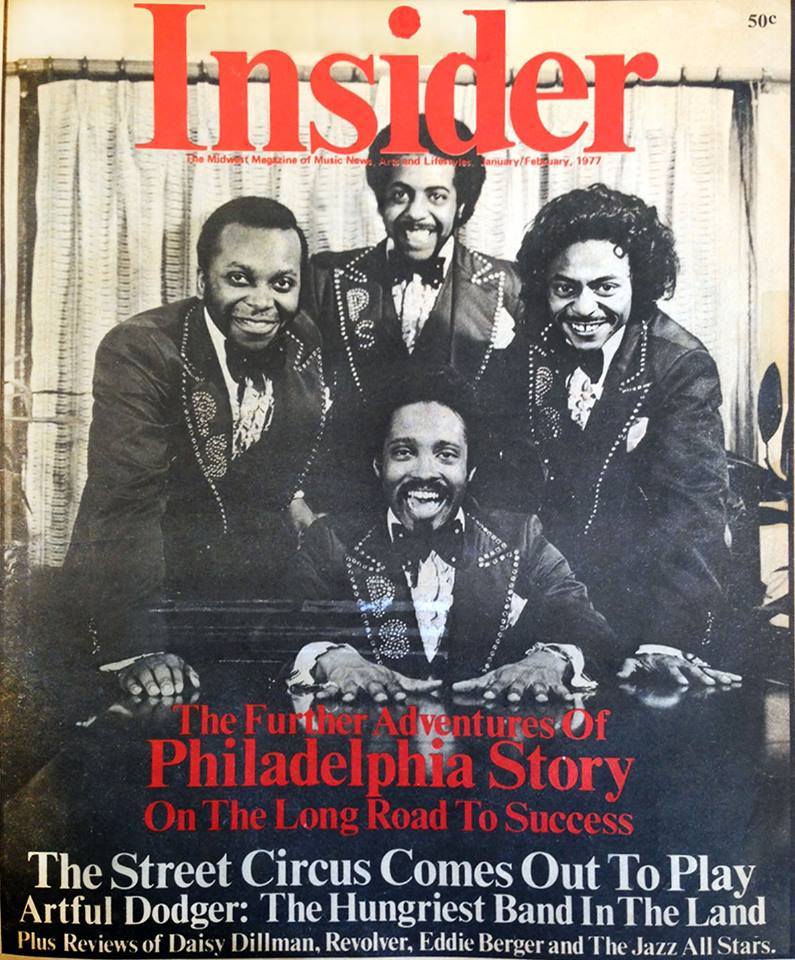 I am a firm believer in the Laws of Attraction. It amazes me how the flimsiest of connections can bring people together from all corners of the earth.
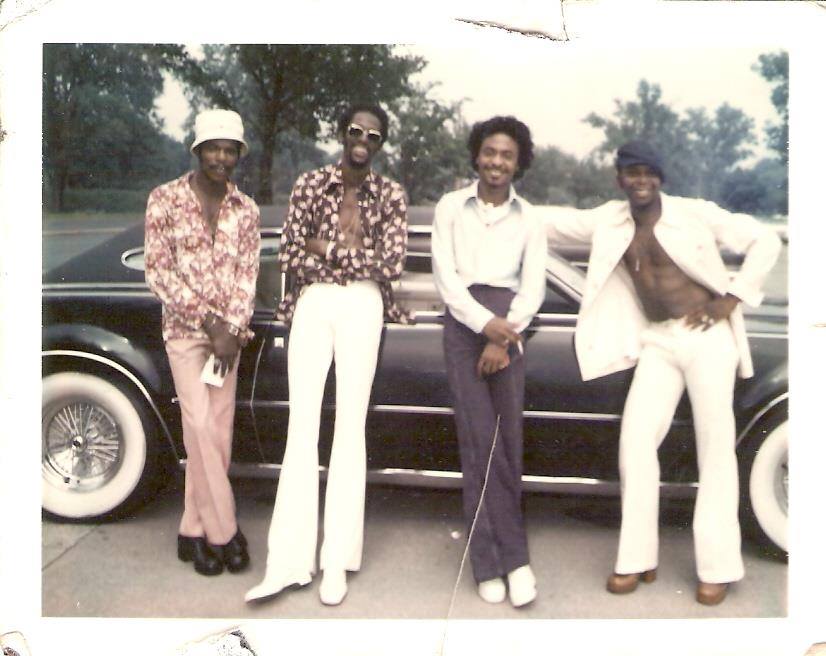
The Philadelphia Story is a quartet. I never met them, and never heard them sing, but there was a connection and although flimsy, it was enough to grant them honorary Dayton Group props.
Forty years ago, I was part of a band called The Stone Soul Image. We were invited by our manager’s old friend Fuller Gordy, to come to Detroit and audition for Motown. Our audition started by an opening act gig at the renowned Motor City club, known as the Twenty Grand. The headliner was  David Ruffin, recently departed from the world famous Temptations. In the process of working on our Motown deal, some of the principals were talking about having us tour with David Ruffin, either as his background singers or as his opening act. The negotiations broke down, primarily because we ranged in age from 21 to 15.
To make a long story short, the group Philadelphia Story got the gig.
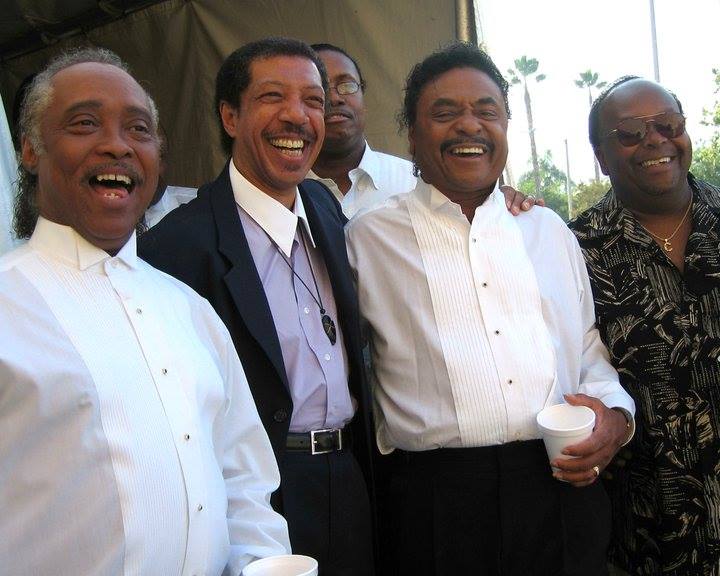
Guy Ellington, Monroe Wright (center)
DMGRadio
DMGRadio

The Motown Sounds of Touch
PLAY: From The 2018 EP Release Love’s Holiday
Episode 8 – 2012
PLAY: 29:55 minutes
FACEBOOK – Arthur Stokes
Throwback Thursday Music
The Four Corners
Arthur Stokes/Four Corners
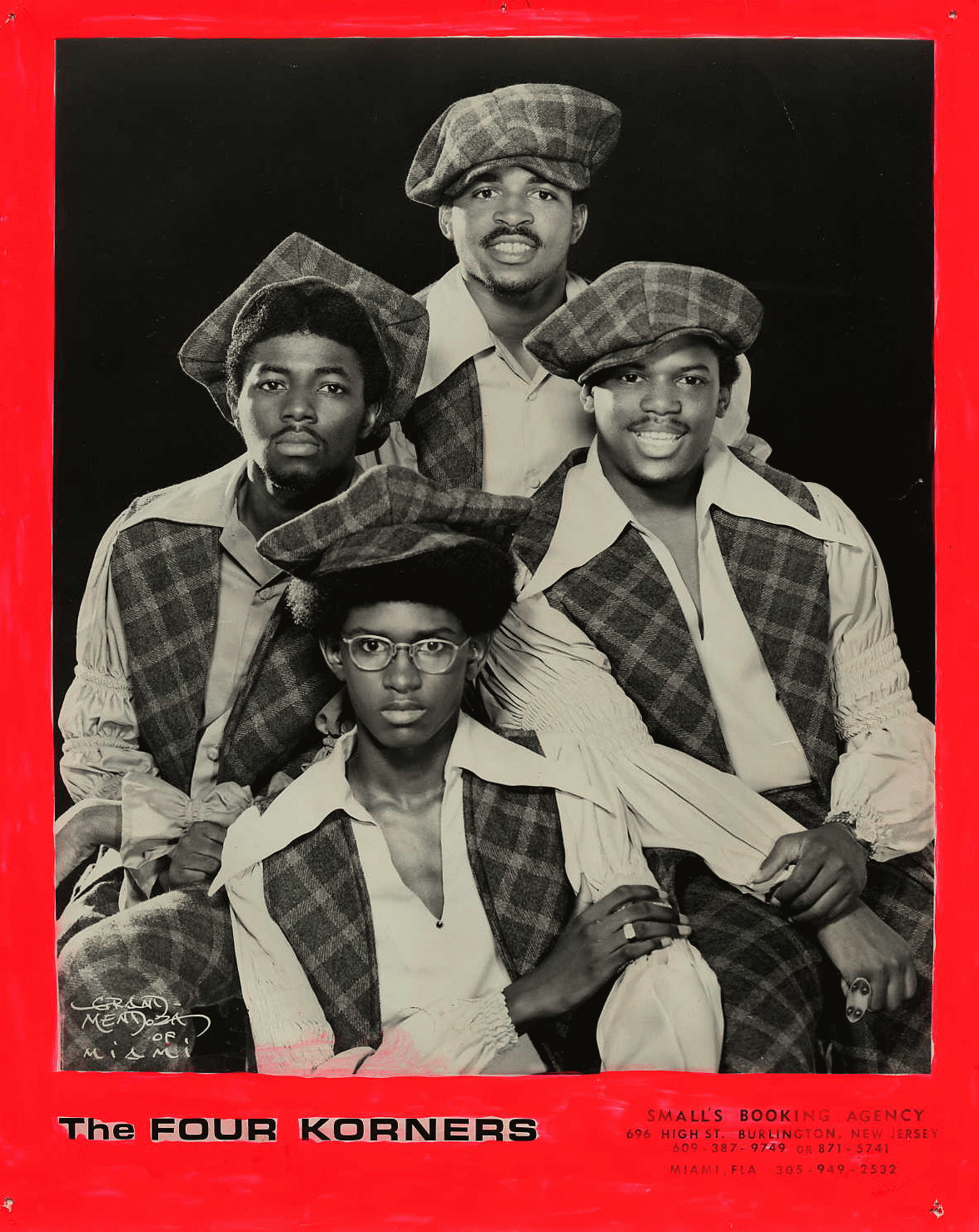
Wow,…Charles, That really brings back a ton of memories! A lot of good times and the early days of forming the Dayton Sound! Floyd does a great job of singing lead on this song. Actually another member Harold Bryant started out as the Lead Singer on this song and did a good job,…..But somewhere along the way Floyd began singing the lead,….and I did always like his lead vocal on this song much better!
Arthur Stokes Hey Charles, Those Jump Suits and Hats were bought in Pittsburgh while we were performing there with The Ohio Hustlers, Leander “Little Lee” Williams and John “Herky” Early both doing vocals with the Band. The picture was actually taken when The Four Corners were in Miami Florida doing some dates in that area. Wow,…….The memories!
(This is what I like about Facebook)
Picture: Funk Music Hall Of Fame
Funk Music Hall Of Fame
The Funk Music Hall of Fame & Exhibition Center, a.k.a, “The Funk Center”
http://thefunkcenter.org/
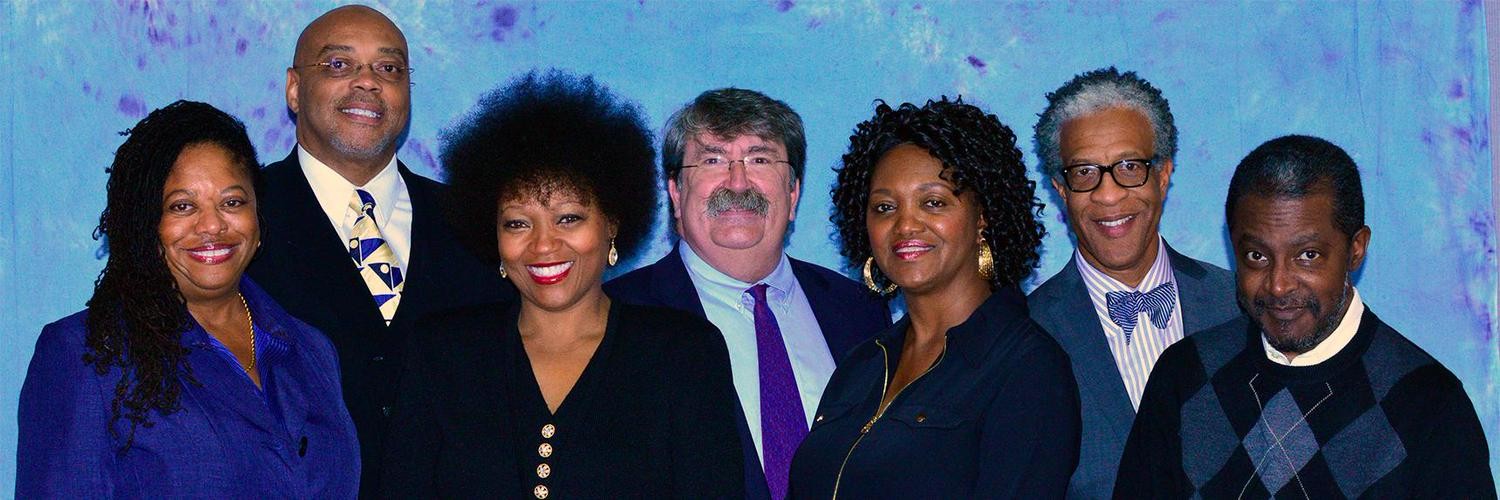
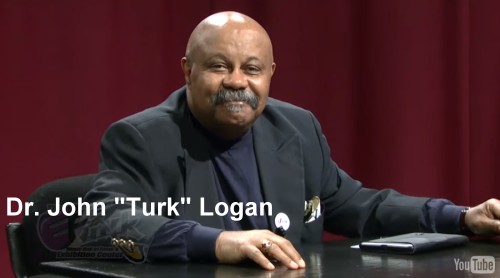
Dr. John”Turk” Logan
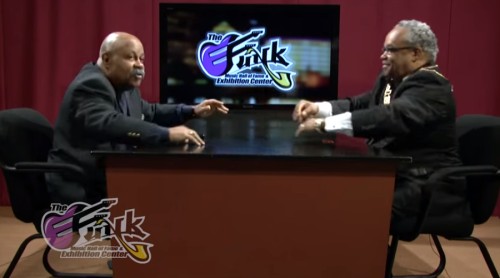
Turk Logan and Darryl Smith
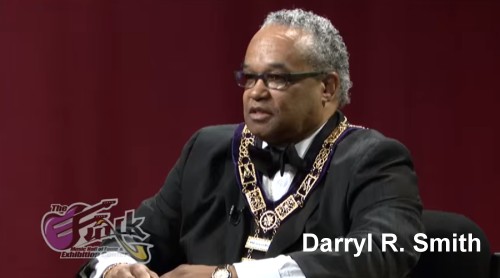
Darryl R. Smith
The Funk Music HAll of Fame
VISION
To establish a home for the legacy of Funk music by acknowledging the artists who brought this art form to life while showcasing the Funk experience.
MISSION
To house and maintain Funk music memorabilia, where the public, especially children, can be educated about the history of Funk music.
CORE VALUES
1. Accountability- Responsibility of our actions that influence the lives of our customers and fellow workers. More on Accountability
2. Balance- Maintaining Healthy life and work balance for workers. More on Work Life Balance
3. Collaboration-Collaborating within and outside the company to give the best. More on Collaboration.
4. Commitment-Commitment to roll great product, service and other initiatives that impact lives both within and outside the organization. Read more on Commitment
5. Community- A sense of responsibility and contribution to society that define our existence. Read more on Community
6. Consistency-Be consistent in offering the best for wonderful experience. Read more on Consistency.
7. Diversity- Respecting the diversity and giving the best of the composition. Read more on Diversity.
8. Efficiency- Being efficient and effective in our approach to give best solution each time. Read More on Efficiency.
9. Empowerment- Empowering the employees to take initiative and give the best. Read more on Empowerment.
10. Fun- Having fun and celebrating small successes in our journey to achieve big. Read more on Fun.
11. Innovation- To come out with new creative ideas that have the potential to change the world. Read more on Innovation.
12. Integrity-To act with honesty and integrity without compromising the truth. Read more on Integrity.
13. Leadership- The courage to lead from front and shape future. Read more on Leadership.
14. Ownership- Taking ownership of the company and customer success. Read more on ownership.
15. Passion-Putting the heart and mind in the work to get the best. Read more on Passion.
16. Quality-Giving the best and unmatched results for all round satisfaction. Read more on Quality.
17. Respect-Giving due respect to self and others and maintain the environment of team work and growth. Read more on Respect.
18. Risk Taking- Encouraging self and others to take risk for a bright future. Read more on Risk.
19. Safety- Ensuring the safety of people and making sure to give them trouble free experience. Read More on Safety.
20. Service Excellence- Giving the best and world class service and achieving excellence each passing day. Read more on Service Excellence
Greenlife
Greenlife
Dayton, Ohio Rap group. Self published Debut CD: Hungry Intentions
More Info?
AUDIO Hungry Intentions
Hit Us Up!

-
Archives
- March 2026 (1)
- August 2025 (1)
- July 2025 (1)
- July 2022 (1)
- December 2018 (1)
- June 2016 (1)
- May 2016 (1)
- March 2016 (2)
- January 2016 (2)
- November 2015 (2)
- December 2014 (1)
- March 2014 (2)
-
Categories
-
RSS
Entries RSS
Comments RSS